Tuesday, August 24, 2021

Vitamins for Women: Role of vitamins during pregnancy 

Vitamins for Women: Role of vitamins during pregnancy
Sources of vitamins 


Vitamins for Women 


Everyone needs vitamins and nutrients for good health. Some people take vitamins through diet and some take it in other ways. The use of vitamins is important and cannot be ignored.  Men and women have different nutritional needs.  Women need more vitamins at one age.  Women need more nutrition than men.  


The need for nutrition changes in different stages of a woman's life. All kinds of nutritious food and diverse diet are very important for a woman.  A woman has to go through various stages of her life like puberty, menstruation, pregnancy, childbirth. For which she needs extra vitamin intake. At any stage, a specific group of vitamins is needed to keep healthy and active. Pregnant women need more vitamins than other women.  For these changes in life, a woman needs proper care and a healthy diet, which can provide all the necessary nutrition for the body.


Although all vitamins are essential for healthy life, the following vitamins are very important for women:


Vitamin B12 


Vitamin B12 has play vital roles to create DNA, to nourish the brain and nervous system ;and to assist for formation of healthy red blood cells. 


It is an important vitamin which helps to convert your food into glucose and helps to generate energy in the body.  A woman needs a lot of energy for her body. It boosts your metabolism and keeps you healthy and active.


Vitamin B12 deficiency in the early stages of pregnancy of woman increases the risk of neural tube birth defects and low birth weight. Deficiency of vitamin B12 also may cause miscarriage or premature birth.

There is more probability to have child with birth defects if mother has low levels of vitamin B12 during pregnancy. 


Folic acid 


Folic acid is a kind of vitamin B called folate. 


If a woman is thinking of getting pregnant or is pregnant, she needs folic acid.  This is very important for pregnant women.  This vitamin play important role in the production of red blood cells and reduces the risk of neurological problems in brain and spinal cord and any other chronic disease.  This vitamin is very important for a woman and her baby to keep them healthy. 


In context of embryonic development, baby's brain and spinal cord starts to develop early stage of pregnancy. So, it is important to begin to have folic acid regularly from early stages of pregnancy. There is more probability of occurring birth defects within 3-4 weeks of pregnancy. 

In absence of proper amount of folic acid in mother's body during pregnancy, baby's neural tube may not close correctly and they could develop neural problems called nural tube defects. 

These include:
  • Incomplete development of the spinal cord or vertebrae called Spina bifida
  • Incomplete development of major parts of the brain called Anencephaly
The daily requirement of folic acid for all women of child-bearing age is 400 mcg. For fourth to ninth months of pregnancy women need 600 mcg daily.

Taking recommended dose of folic acid during pregnancy may also protect baby against:
  • Lip and palate cleft
  • Premature birth
  • Low birth weight
  • Miscarriage
  • Poor growth in the womb


Vitamin K 


More women than men die of heart attacks and other heart diseases.  Vitamin K plays a vital role to reduces the risk of heart disease and keeps the heart healthy.  That is why every woman should include vitamin K in her diet.  It increases bone strength and also facilitates blood circulation.

Vitamin K deficiency may lead to hemorrhage in mother and baby. Haemorrhage occurs due to reduce levels of prothrombin which depends on vitamin K during blood coagulation. As blood clotting take long time excessive bleeding takes place both in mother and baby.


Vitamin D


Vitamin D is vital to regulate the amount of calcium and phosphate in the body. It is well known fact that calcium and phosphate are needed to keep bones,teeth and muscles healthy. 

So, vitamin D is one of the most important vitamins.  It boosts and protects your immune system.  In addition, it makes you stronger physically and mentally.  Many women are suffering from vitamin D deficiency. It is thought that  vitamin D deficiency can also increase the risk of heart disease, cancer, diabetes and asthma.  To be healthy, women need to take 10 mcg of vitamin D every day.

Human bodies make vitamin D through exposure of skin  to sunlight. 


Sunday, August 22, 2021

Covid-19 and Diabetes | New diabetes cases linked to COVID-19 c

Covid-19 patients with diabetes 


Covid-19 and Diabetes 

Covid-19 emerged as a worldwide disaster 

Since its outbreak in December 2019,the covid-19 caused by SARS-COV-2 has spread to more than 210 nations, affecting over 212.14 million individuals and inflicting 4.43 million fatalities globally. Although the overall mortality rate is nearly 2%, people with diabetes mellitus ( DM) tend to have more severe disease, acute respiratory distress syndrome and increased fatality .

Here we discuss two aspects of covid-19 in context of diabetes: First is complications of covid-19 in people with diabetes and ; second is development of new diabetes in people after SARS-COV-2 infection. Second type of effect is called diabetogenic effect of COVID-19.

Complications of  COVID-19 in patients with diabetes mellitus

Clinical data collected from different hospitals in the world has suggested that covid-19 has more serious complications in the patients with diabetes than in non diabetic patients. But it is not proved yet that people with diabetes are more likely to get infected with SARS-COV-2 than the general population. Although clinical data prior to this covid-19 pandemic has shown that people with diabetes are more likely to have more severe symptoms and complications when infected with any virus.

The risk of being serious illness due to Covid-19 can  be reduced by well managing diabetes of patients. It is also found that diabetes along with heart disease or other underlying health conditions increase the risk of being severely ill from covid-19. More than one underlying health conditions makes it harder for covid-19 patients to fight against infections.


Diabetogenic effect of COVID-19


Although it can't be proved yet, clinical data collected from different hospitals in the worldwide and different studies conducted by  experts showed diabetogenic effect of COVID-19 in some people who have not history of diabetes mellitus. Thus the growing evidence suggests that SARS-COV-2 infection might cause new diabetes mellitus in some people. This diabetogenic effects of covid-19 may pose threats in large population during this covid-19 pandemic.  Now many researchers have engaged to find exact mechanism of development diabetes due to Covid-19.

Here are some findings that say some new diabetes cases are linked to covid-19 :

Finding 1:

  • In England,  one study tracked 4700 people admitted to hospital for treatment of  covid-19 before August 2020. Researchers kept contiue to follow their health regularly. Seven months after discharged from hospital 5% of people were found developing new diabetes mellitus.
  • Researchers also revealed that people who had been admitted hospitals with covid-19 were 1.5 times more likely to be diagnosed with diabetes mellitus after their discharge than people of the same age and background who hadn't been admitted in hospital with covid-19.


Finding 2


  • In Wuhan, China, the elevated blood sugar level was found in patients with covid-19 in early January 2020.

Finding 3

  • During pandemic doctors in Italy observed association between SARS-COV-2 infection and onset of diabetes

Finding 4

  • The association of SARS infection and onset of  diabetes was seen in past.

All findings showed one common point that new diabetes cases during this pandemic are linked to covid-19. It hasn't clearly been understood exactly how covid-19 triggers type 1 diabetes or type 2 diabetes  or whether the  cases are temporary or permanent.


Thursday, August 19, 2021

Vitamin K and Heart Health | Vitamins reduces the risk of heart disease 


Vitamin K and Heart Health | Vitamins reduces the risk of heart disease
Heart and coronary artery 


Do you have vitamin K rich foods in your diet?


Heart disease is one of the most leading causes of death worldwide.  Poor lifestyle, lack of nutrition in the diet, physical inactivity and smoking habits are found to cause problems like heart disease at an early age. 

Researchers seeking treatment for these problems have recently made a big claim in a study.  According to scientists, taking vitamin K reduces the risk of heart disease (conditions affecting the heart or blood vessels) associated with atherosclerosis in humans.  Atherosclerosis is caused by narrowing of the arteries (arteriosclerosis) and the formation of fat, cholesterol and other substances inside it, which can lead to heart disease in humans.  In a study published in the Journal of the American Heart Association, scientists found that taking vitamin K reduced the risk of such problems.  Vitamin K can be easily obtained from many diets in daily life.

For the study, scientists examined data from more than 50,000 people over a 23-year period. 

Scientists tried out to find out that people who consume excessive amounts of vitamin K-rich foods can reduce the risk of heart disease associated with atherosclerosis.
The study found that people who ate a diet high in vitamin K1 had a 21 percent lower risk of being hospitalized for heart disease related to atherosclerosis.  Thus, people who take vitamin K2 have a 14 percent lower risk.

Vitamin K1 and K2 are both beneficial for the body


According to experts, both types of vitamins can be obtained from food.  The first vitamin K1 is obtained mainly from green leafy vegetables and vegetable oils and vitamin K2 is found in foods such as meat, eggs and cheese.  Dr. Nicola Bondono, senior author of the study, says that people who overdose on vitamins have a lower risk of atherosclerosis and other types of cardiovascular disease.  The amount of vitamin K1 in the diet that people eat every day is found to be high, but vitamin K2 is often deficient. 'However, this study found that taking both vitamins is beneficial in protecting against heart disease.

What do researchers say about this?


Vitamin-K can help prevent the formation of calcium in the major arteries of the body.  This unnecessary construction increases the risk of heart disease.  Recently, researchers say that more research is needed to fully understand the process.  Researcher at the University of Western Australia, Dr Jamie Bowling says "heart disease is the leading cause of death worldwide,".  This study highlights the importance of vitamin K in reducing the risk of this dangerous disease. 'Health experts also need to pay attention to this.'

How to get Vitamin K1 and K2?


According to dieticians, Vitamin K1 and K2 can be easily obtained in daily diet.  Cooked spinach, mustard greens, cooked spinach and mustard greens, cooked black, cooked knot greens, cauliflower leaves, dried basil and soybean oil are rich in vitamin K1.  Similarly, K2 can be obtained from chicken meat, blue cheese, cheese, dairy products etc.

Tuesday, August 17, 2021

Superfatation pregnancy | pregnancy over pregnancy 


Superfatation pregnancy | pregnancy over pregnancy
Superfatation baby

Can a woman get a fetus again while she is pregnant?  How would you react if you had to re-implant a fetus in the womb a few weeks into your pregnancy?  In medical language it is also called superfatation pregnancy or double pregnancy.

Concisely to say superfatation is a second new pregnancy during initial pregnancy. It is extremely rare in human and common some genus of animals.

What is superfatation pregnancy?


In a superfatation pregnancy, a woman's ovum (egg) produced during initial pregnancy get fertilized by sperm and second embryo implanted in the womb some days later than first one. Actually this may happen in the first few weeks of pregnancy.  According to experts, the second pregnancy can cause problems.  In many cases, newborns may also be malnourished.

Superfetus not twins


Having twins and being superfatation are two different situations.  When a woman carries two  embryos at a time, it is called twin pregnancy.  While in superfatation, a woman becomes pregnant again a few weeks after implanting first embryo in the womb.  The case of superfetus is most common in species such as fish and crocodiles.  People are less likely to have it.

Are both babies born at the same time?


Even if the embryos are transplanted at different times, the delivery is at the same time.  If there is a long time difference in the pregnancy of the fetus, the risk is higher during childbirth.  If another fetus is delivered before 37 weeks, the baby may be malnourished.

Why is superfetus considered unique?


In fact, when a woman becomes pregnant, the body's reproductive hormones stop working completely.  Due to which the egg is unable to work.  That is why superfatation is considered a unique phenomenon.

Which woman is more likely to have this?


According to experts, women undergoing IVF, fertility treatment or hormone treatment are more likely to have superfatation.  Because their ovaries are already ready for the baby.  Likewise, having sex during pregnancy can increase the risk of fetal problems.

Complications of superfatation


- Problems breathing after childbirth

- Problems of low birth weight in newborns

- Difficulty feeding the baby

- Bleeding in the brain

- Having breathing problems due to underdeveloped lungs

Monday, August 16, 2021

Old Age| Changes in body with ageol


Old Age| Changes in  body with age
Old age caring


At the age of 50, the body undergoes many changes.  At this age, the body is weakening and many parts of the body are not able to function as before.  Let's learn about the changes seen in the body after the age of 50 and what the lifestyle should be like at this age to stay healthy.

1.  Effects on the brain


At the age of 50, brain function also increases.  However, around the age of 55, the memory gradually begins to weaken due to stress in the mind.  At this age, you need to follow the Mediterranean diet to improve your memory.  For example: Eat lots of fruits, vegetables, pomegranates and healthy fats.  However, menopause at this age in women causes many types of hormonal changes that affect their mood.  Many people at this age become depressed due to illness.  So keep yourself active and keep yourself busy with some work.  You should not stop exercising.

2.  Weakened immune system


At this age, the immune system begins to weaken, and the cells that fight infection become less active.  This increases the risk of contracting the flu, pneumonia and tetanus.  This age should be vaccinated against the flu.

3.  Effects on hearing


Forty percent of people at  this age have hearing loss.  The effects of diseases such as high blood pressure, heart problems or diabetes also reduce hearing after a certain age.  If you also have such a problem, contact a doctor and get checked.

4.  Effects on bones


As you grow older, your bones begin to weaken.  At this age, the risk of cell rupture increases.  You should eat foods rich in calcium and vitamin D at this time.  Exercise to strengthen the bones.

5.  Effects on muscles and joints


Age affects most muscles.  Your physical strength begins to weaken.  It is advisable to exercise with training to strengthen it.  This will increase your muscle density and balance.  Joint pain is also a big problem at this age.

6.  Cardiac effects


The risk of heart attack increases with age.  Exercise should be done to prevent this.  To avoid this, walk 30 minutes every day.  Control your blood pressure to prevent weight gain.  If you smoke, stay away from cigarettes after this age.

7.  Effects on hair and skin


At this age the hair becomes white, thin and very weak.  The effect of age is especially evident in men's hair.  However, there is nothing to worry about.  You can also color it if you want.  During this time, the skin may become scarred and rough.  The risk of skin cancer also increases.  So do not ignore any problem and do not forget to contact the doctor in time.

8.  Effects on the eyes


If you have to focus on your eyes while reading something, it means that age has an effect on your eyes as well.  Well, people often need glasses at this time.  Check your eyes regularly.  Testing - At this age the risk of developing many types of disease increases.  Therefore, tests should be done for colon cancer, mammogram test, prostate cancer and testicular cancer.  Do not ignore any of the symptoms and tell your doctor if there is a genetic disease in the home.  They may also suggest some other tests.

Sunday, August 15, 2021

Signs of Heart Attack in Women

Signs of Heart Attack in Women
Heart Attack patient


Overview of Heart Attack in Women 

Mostly heart attack occurs when arteries carrying oxygenated blood to heart muscle get blocked. The blockage of coronary arteries occurs mostly due to fatty deposits or plaques. Blockage of oxygenated blood to heart muscle causes damage to heart muscles leading to stop heart pump. 


The most common signs and symptoms of attack is chest pain or discomfort which may travel into the shoulder, arm back neck or jaw. Chest pain often occurs in the center or left side of the chest and lasts for more than a few minutes. Heart attack is also known as myocardial infarction in clinical language.


The risk of heart disease is increasing rapidly worldwide. Men are more likely than women to have a heart attack, which is completely wrong. In addition, we hear that men have heart attacks after the age of 40 and women after the age of 45. But, there is no age for heart attack. Whether it's 25 years old or 45, anyone can have a heart attack. In United States, at every 40 seconds one person has a heart attack.


One of the major symptoms of a heart attack is chest pain, but according to a recent research report from the Cleveland Clinic Medical Center in the United States, there are many symptoms of a heart attack that are seen in women.   


Let's discuss warning signs and symptoms of Heart Attack in Women


Sign and symptoms connected heart attack are not same in all people. Some people have mild pain while others have more severe pain . Some people have no symptoms. Some have sudden cardiac arrest.


Some heart attacks strike suddenly, but in most of cases people have warming signs and symptoms hours, days or weeks in advance. These warning signs and symptoms might be recurrent chest pain or chest pressure angina or chest discomfort.


Chest Pain or Chest Discomfort


Uncomfortable pressure, deep pain, tightness in the centre or left side of the chest is a main warning signs of heart attack. The pains spread to neck, jaws or back of body and it last within few minutes and may come back again.


Dizziness and shortness of breath


Dizziness and difficulty breathing are common symptoms of a heart attack. However, according to the latest reports, dizziness is also considered a common symptom in women. Therefore, it is important to be cautious.


Discomfort upper areas of the body


Heartburn in chest and pain and discomfort in one or both arms, the back, neck, jaw or stomach are another signs and symptoms connected heart attack.


Cold Sweating


Cold sweating is a normal process of sweating. But women have been found to have cold sweats many times during heart attacks. If you have a cold sweat, it is important to contact a doctor immediately.


Feeling very tired / Fatigue


Person has relaxed a lot but she is constantly feeling tired and she doesn't even feel that she can get up and walk 10 steps, it can also be a symptom of a heart attack.

Note if any sign or symptoms have seen in you body you should visit to doctor as soon as possible

Signs and symptoms of Heart Attack in Women
Heart Attack symptoms 


Heart attack risk factors


There are certain factors that contribute heart attacks in people. Although we cannot escape from some factors like age, gene factor, we can eliminate or reduce some factors effect in our body. Reduction or elimination of such factors reduces the chance of heart attack.

Heart attack factors are age, high blood pressure, tobacco, high blood cholesterol, obesity, diabetes, metabolic syndrome, family history of heart attacks, stress, lack of physical activity, illicit drug use, history of preeclampsia, and autoimmune condition


Prevention of heart attack


Although we can't completely prevent heart, we can reduce the chance of heart attack by applying certain medical measures. These measures are :


Medications :


Taking medicine at right time can reduce the chance of heart attack and save the heart muscle from being damaged. Person with possible heart attack should continue to take what doctor prescribes


Lifestyle :

You know that your life styles always determine your health status. So everyone should maintain healthy weight with heart healthy diet to reduce the probability of heart attack. Don't smoke, do exercise regularly, manage stress, keep control over blood pressure, blood cholesterol levels and diabetes to prevent possible heart attack


Saturday, August 14, 2021

Alzheimer’s Disease | Memory Impairment Causes and Symptoms


Alzheimer’s Disease | Memory Impairment Causes and Symptoms
Alzheimer’s Disease Patient


Overview of Alzheimer’s disease 

Alzheimer's disease is a progressive and fatal neurodegenerative disorder which is associated with a progressive loss of structure and function of neurones that leads to neuronal death. 

The neurodegenerative disorder results in impairment of the person’s memory and ability to perform daily activities The most common early symptom is difficulty in remembering recent events. The disease causes deterioration in memory, thinking, behaviour and the ability to perform everyday activities.  

Briefly to say Alzheimer's disease is a most common form of dementia and it may contribute 60-70% cases of dementia.  

Alzheimer's disease is becoming a major health issue in the world. It us an ever-increasing challenge as the population ages and life expectancy increases. 

The statistical data are alarming, with an average of one person losing memory due to Alzheimer's disease every three seconds in the world. In the past years only had Alzheimer's disease but these days young and middle aged people are also victims of the disease.

Alzheimer's disease and related dementias have affected over 50 million persons worldwide.

Statistical data shows that the number of persons with Alzheimer's disease has been increasing and it is estimated that the number of people suffering from this disease will increase by 70 million by 2030.

Alzheimer's disease at a glance: 

Alzheimer’s Disease at glance


What is Alzheimer's disease?

Alzheimer's disease is a brain killer which kills brain cells causing deterioration in memory,thinking, behaviour and the ability to perform everyday activities. It is also called neurodegenerative disease as it is a brain related problem. This disease causes constant damage to the brain cells. The disease presents with varying combinations of progressive cognitive, emotional, motor, autonomic, and peripheral symptoms and clinical signs. Loss of memory is devastating.

Causes of Alzheimer's Disease 

Data shows that age is the most important overall risk factor for Alzheimer’s disease. Prevalence of Alzheimer’s disease is 0.5 % at the age of 60 and it is 40% at the age of 90.

Thus age increases a person's risk of developing Alzheimer's disease. Similarly, data says that nearly 70 percent of Alzheimer's diseases are caused by heredity. Thus genetic factor main factors for Alzheimer’s disease. In addition, high blood pressure, head injuries, obesity, etc. can also cause Alzheimer's disease.

Sign and symptoms connected to Alzheimer's disease

The sign and symptoms linked to Alzheimer's disease are :

  •  Impairment of episodic memory in which patients forget recently completed activities or events.
  • Decreased ability to think . 

  •  Changes in behavior.

  • Difficult in speaking and repeat same words many times.

  • As the disease becomes severe, person cannot recognize people around him/her.
  •  At severe stage person loses the ability to do every day task.

Note that the symptoms of Alzheimer’s disease worsen over time.
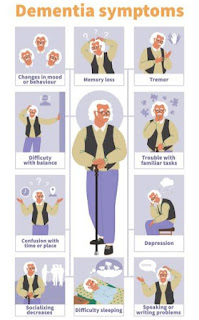
Alzheimer’s Disease symptoms
Symptoms of Alzheimer’s disease 


Stages of Alzheimer's disease

The different stages of Alzheimer’s disease are summaries of the changes in abilities typically seen in persons with the disease.

Usually Alzheimer's disease starts silently and slowly, with the change in structure and function of neurones that begins years before anyone notices a disorder in a person.

On the basis of the changes in abilities typically seen in persons with the disease, main stages of disease have been described as:

1. Early or Preclinical Stage AD

During this stage the changes in structure and function of neurones due to Alzheimer’s disease are happening slowly but the patients is not showing signs of disorders. During this stage persons with Alzheimer's disease function at high level, so it cannot be diagnosed. This stage can last for years or decades. At this stage brain imaging shows deposits amyloid protein in the brain. This deposits of amyloid protein interferes with the brain's communication system.

2. Mild Stage of AD

During this stage , signs and symptoms connected to Alzheimer's disease begin to be noticeable. Person with mild Alzheimer’s disease:

  • Forgets recently happened or informed events, places, names or informations
  • Feels difficulty in finding right words to speak.

  • Has confusion about time and place

  •  Repeats the same questions over and over

  •  Has difficulty in solving problems
  •  Takes longer to time to complete normal daily activities

  • Feels difficulty in completing complicated tasks such as managing money and paying bills

  • Loses or misplaces the object

  •  Experiences chane in personality

Most of person with mild Alzheimer’s disease have no problem recognizing familiar faces and can usually travel to familiar places

3. Moderate Stage of AD

During this stage, person with AD require assistance. Person with AD in this stage: 

  •  Has increased memory loss and confusion. Often forgets events or details about his/her own life

  •  Has shot-term memory

  •  Feels some difficulty in recognizing friends and family members
  •  Has difficulty in carrying out multi-step tasks.  

  • May need some help with self-care ,such as bathing, showering and toileting

  •  May need help choosing proper dress and may need help putting clothes in right place

  •  Experiences more changes in personality including being agitated ,acting out

  •  Wanders from his/her living place

4. Moderately Severe Stage of AD

During this stage, person with moderately severe AD :


  • Has significant confusion in recognizing his or children or spouse or other family members.

  • Loses skills in dressing, bathing and toileting

  • Has sleep disturbance

5. Severe Stage of AD

During this severe stage, person with AD :

  •  Has almost total memory loss  
  • Needs help with all basic daily activities

  • Completely unaware of his or her surroundings

  •  Begins a decline in ability to sit up,walk and eat without assistance

  •  Loses weight

6. Very Severe Stage of AD

During very severe stage of disease, the person:

  •  Loses the ability to communicate. Speech becomes limited to a few words .
  •  Forgets how to swallow  

  • Loses the ability to control bladder and bowel function.

  •  Develops skin infections

Management of patients with Alzheimer’s disease and prognosis of Disorders  

The management of a patient with Alzheimer’s disease involves many  

sensitive issues. It is very important humanitarian job to provide medical and psychological support to patients as well as to their families and carers. During the

progression of the disease there will be different goals at different stages, ranging from aiding failing cognitive function in the setting of independent living, to managing behavioural problems and aggression, and eventually to providing full supportive nursing care.

There is great variation in the rate of progression, but depending on

the age and stage of disease at diagnosis, on average, patients spend several years in the mild or minimal stages (although it can be as long as 5–10 years), between 4 and 5 years in the moderate disease stages, and, depending on the quality of care in the dependent stages, a year or more requiring full nursing care.

Nonpharmacological treatment of Alzheimer’s disease 

The mainstay of treatment is social support and increasing assistance with day-to-day activities. Depending on individual circumstances, symptoms, and disease stage, there may be different requirements for the support . All these supports are nonpharmacological treatment.

Nonpharmacological treatment or support includes:

• information and education

• diet, exercise, mental activity

• carer support groups

• community dementia team, including home nursing and personal care

• community services (e.g. meals-on-wheels, community transport services)

• access to dementia charities

• sitter service

• day centre

• respite care

• residential/nursing home

• palliative care

How to avoid Alzheimer's disease 

There is no definitive way to prevent Alzheimer's disease. Scientists are still researching it. However, the risk of Alzheimer's can be reduced by controlling the risk of heart disease, cholesterol, obesity and diabetes. In addition, regular exercise from a young age can reduce the risk of Alzheimer's. 


Thursday, August 12, 2021

 Marburg virus Disease: Deadly Marburg virus infected case reported for first time in West African countries Guinea 

Marburg virus Disease
Marburg virus 


About Marburg virus 


On 9 August 2021, WHO published a news about outbreak  of Marburg virus disease (MVD) in Guinea, a west African country. According to WHO news , on 6 August 2021 , the Ministry of Guinea informed WHO of a confirmed case of Marburg virus disease in Guinea. It is also said that case of  Marburg virus disease is the  first in Guinea and in West Africa.


Marburg virus Disease was first documented in 1967 in Marburg and Frankfurt in Germany,  and in Belgrade, Serbia.


Marburg virus disease is a viral haemorrhagic fever caused by Marburg virus or Ravn virus .

It is also known as Marburg haemorrhagic fever. 

Both Marburg and Ebola viruses are the members of Filoviridae family or filovirus.

Clinical features of disease is very similar to the disease caused by Ebola. So disease is diagnosed by doing RT-PCR test in lab.


Marburg virus causes severe viral haemorrhagic fever in humans, often become fatal illness in humans. The average Marburg virus disease case fatality rate is around 50 percent. Data on past outbreak of MVD showed case fatality rate variation from 24 % to 88% depending on the strain of virus and case management.


Mode of transmission of Marburg virus


Marburg virus transmitts to people from bats and then spreads among humans through human-to-human transmission via direct contact (through broken skin or mucous) with the blood ,secretions or body fluids of infected people .


Transmission of  virus remains more probable to health workers while treating Marburg virus disease patients due to lack of practicing infection control precautions .

Direct contact with deceased body during burial ceremonies can contribute in transmission of Marburg virus. Note that people remains infectious as long as their blood contains the virus.


Sign and symptoms of Marburg virus disease


The sign and symptoms of Marburg virus disease is very similar to Ebola virus disease.

The time period from infection to onset of symptoms which we called incubation period is 2 to 21 days.  Marburg virus disease begins with high fever, severe headache, severe malaise, muscle aches. Abdominal pain and cramping, severe diarrhoea, nausea and vomiting are also common symptoms which are mostly observed from third day of infection.

As patients reached to severe stage of disease bleeding occurs in multiple areas body . Many patients develops such haemorrhagic stage between 5 to 7 days of infection. Bleeding from nose,gums vagina causes more fatality in patients. During the severe phase of illness, patients have high fever.

In fatal cases, death occurs between 8 to 9 days after onset of symptoms.


Diagnosis of MVD


It is more difficult to clinically distinguish Marburg virus disease from other infectious diseases like Ebola, malaria, typhoid fever, meningitis, shigellosis and other viral haemorrhagic disease. To confirm that symptoms seen and noticed are due to Marburg virus, the following any one or two diagnostic test methods should be done;

    • RT-PCR test
    • Antigen detection tests
    • Serum antibody test
    • Virus isolation by cell culture method
    • Electron microscopy


Treatment and vaccines for MVD


As to date there are no vaccines and  no antiviral treatments for Marburg virus . However, supportive care and treatment- rehydration with oral or intravenous fluids are found beneficial to patients . Supportive care is equally important to prevent secondary infections and increase survival rates in fatal cases. Antivirals drugs like remdesivir and Favipiravir have been used in clinical research.


Prevention and control of Marburg virus


Preventive and control measures of disease is same as other diseases.

Spread of virus can be prevented by:

    • Reducing the risk of bat-to-human  transmission
    • Reducing the risk of human-to-human transmission in the community arising from direct or close contact with infected patients.
    • Reducing the risk of possible sexual transmission.
    • Applying approved outbreak containment measures such as social distancing, contact tracing, isolation of infected people, proper practice of burial of deceased people .
    • Taking standard precautions by health care workers while caring for patients. They should follow basic hand hygiene, respiratory hygiene, use of personal protective equipment, safe injection practices and safe and dignified burial practices.

It is more important to take precautionary measures in pig farms to avoid pigs becoming infected through contact with fruit bats. Such infection could potentially amplify the Marburg virus and could cause or contribute to Marburg virus disease outbreak .

Monday, August 9, 2021

 Your Health Depends on Your Habits 

Your Health Depends on Your Habits
Exercise for health 


          Health is wealth 

Health is wealth. Your habit is prime factors to your good or bad health. Change your bad habits that lead your health to negative impacts.


There can be many reasons for the disease in our  body.  We can get sick  if we don't  take safe precautions. As you become  ill, you have to go to the hospital for medicine and treatment.  It not only hurts us mentally, it also weakens us financially.

When one member of the family becomes ill, the whole family becomes stressed.  Their daily work is disrupted. So it is best not to get sick as much as possible.

We and our habits are responsible for many diseases.  Our bad habits, eating habits are the root cause of the disease.  So if we give up these  bad habits, we can be free from the risk of possible diseases.

Stressful life


Stress is something that makes us weaker and sicker.  This is not the solution to any problem.  So taking stress is hurting yourself.  Staying stress-free means avoiding many diseases.  Despite knowing that we should be stress free, we are taking stress in many things.  In particular, stress is the result of our bad behavior.  Some of the things we do are behaviors that cause stress.
Habits like living a normal life, not having big ambitions, having good relationships with everyone, not being angry keep us free from stress to a great extent.

Get Enough Sleep


Our sleeping time and duration of sleep play vital roles in our health. Insomnia can cause many diseases.  Insomnia can lead us from depression to heart disease. And, deep and adequate sleep is like medicine in itself.

Now we are distracted by laptops, mobiles, etc.  There is a tendency to stay up late at night.  This has disrupted our sleep cycle and we are spending sleepless days.  Adequate sleep is essential, a definite schedule.  The constant sleep and wake schedule makes us very comfortable.  It would be better to read books instead of watching mobiles or laptops before going to sleep. Reading habits are good for your health. 

  Right Diet Taking


Food has become important for the body.  Food in itself is like medicine, if eaten in combination.  How to eat, how much to eat, how to eat, when to eat is very important.
Balanced, seasonal, nutritious, digestible food is essential for the body.  Care should be taken to eat for health rather than taste.  Whenever possible, self-produced, self-cooked food is appropriate.  It may not be possible for everyone to produce on their own.  However, they should be able to choose organic, seasonal foods.

Inactive Life


Inactive life is also considered to be the root cause of the disease. Inactive life is a poison to your body . Your habit of sitting on one place make your body Inactive. Inactive body has no proper circulation, no active muscles movement, no activities of your nerve cells. All these lead your body weak . Weak body may easily get infected with many pathogens. This ultimately to develop disease in your body.
If you search more  comfort than you necessary, you are letting your body to develop many types disease to develop. 

We hope that everything will go smoothly.  We have become more privileged.
Most of the time, after sitting in one place, it is not possible to get up.  I feel lazy to walk, to work, to run.  Thus, when physical activity is reduced, our body parts do not function properly.  As a result, the disease begins to develop the body.

Saturday, August 7, 2021

Janssen COVID-19 Vaccine Effectiveness: What are the side effects of Janssen covid vaccine?


Janssen COVID-19 Vaccine Effectiveness
Janssen's COVID-19 Vaccine 


Johnson and Johnson's Janssen COVID-19 Vaccine 


Coronavirus (SARS-COV-2) has infected 202.4 million  in the World and nearly 181.9 million has recovered and nearly 4.29  have died  as of 7 August, 2021. The economic, social, and psychological impact of the pandemic is even more devastating.  And, there is no way or measures to get rid of corona until now . There is no specific medicine for COVID-19 patients. In  such pandemic situation, everyone's eyes are on the vaccine to prevent spreading  SARS-COV-2 infection.

New technology and past years experience of scientists made easy to develop vaccines within a year of pandemic after the first coronavirus discovered in Wuhan, China. It is a scientific miracle itself.
Companies in collaboration with well known medical science institutions used their technology, past year's practice to develop vaccines and tested their vaccines in different environments, different countries . They published date of efficacy (effectiveness) of vaccine after completing third stage clinical trials. More than one dozen of different vaccines have been approved by WHO and concerned countries as of 7 August, 2021. Different generic vaccine have different its effectiveness ranging from 60% to 95 % after its full course.

To prevent spread of virus, to make less severity of disease in case of getting infected, to reduce the number of deaths due to Covid-19, we need vaccines. We have no specific treatment for COVID-19 patients so far. Only one means, measures or way that we have is vaccination as soon as possible.

As we are asking for vaccination against SARS-COV-2, at the same time we are too much worried about effectiveness and side effects of the vaccines. Unnecessary, unproven gossip rumours circulating in the social media and newspaper about vaccine, its effectiveness and side effects made more confusion in our community whether to get vaccinated or not. It is necessary to eliminate such unnecessary rumours from our society before vaccination campaign.
Oxford in collaboration with AstraZeneca developed vaccine Oxford AstraZeneca and Covishield, Pfizer-BioNTech, Moderna, Sinopharma, Sputnik, Sinovac, Janssen, Covaxin, CanSino are some examples of covid-19 vaccines that have been used in  worldwide.
Among them, I described about Janssen covid vaccine, its effectiveness (efficacy)and a little bit about its side effects which is common in all vaccines.

The Janssen COVID-19 vaccine was listed for emergency use by World Health Organization (WHO) on 12 March 2021. The vaccine has been authorized emergency use in more than 29 countries including Europe and USA.

Many people are interested to know about the efficacy, safety and side effects of Johnson and Johnson's Janssen vaccine because they are taking this vaccine during COVID-19 pandemic.

Janssen COVID-19 vaccine is single dose vaccine. It is also called Johnson and Johnson's Janssen COVID-19 vaccine. It was developed by Janssen Biotech Inc, a Janssen pharmaceutical company of Johnson and Johnson. Its generic name is JNJ-78436735 or AD26.COV2.S.
It is viral vector type or Adenovirus vector type vaccine.


Effectiveness of Janssen COVID-19 vaccine:

Janssen COVID-19 Vaccine was 66.3 % effective in clinical trials. So efficacy of the vaccine is 66.3 percent in people who have received the janssen vaccine. Clinical trial of Janssen covid vaccine showed that :

 most protection achieved 2 weeks after getting vaccinated
 high efficacy at preventing hospitalization and death in people due to Covid-19
 no one who got infected with SARS-COV-2 at least 4 weeks after receiving Janssen COVID-19 vaccine had to be hospitalized
 single-shot of Janssen vaccine showed ability to protect from multiple variants of SARS-COV-2
 single-shot Janssen COVID-19 vaccine generated strong and persistent activity against the rapidly spreading Delta variant of SARS-COV-2

Durability of vaccine ie, how long does it work, is under study.

Safety of Janssen COVID-19 Vaccine


On the context of safety of Janssen covid vaccine, data available from both clinical trials and preliminary data from country surveillance programmes on their efficacy and safety showed safe with some common mild side effects. Being safe and high efficacy of vaccine, there have been reports of very rare but serious cases of blood clots (thrombosis) accompanied by low platelet counts (thrombocytopenia). This type of syndrome is called Thrombosis with thrombocytopenia syndrome (TTS). TTS found to  be occurred 3 to 30 days after vaccination with COVID-19 non-replicant adenovirus vector-based vaccines such as Covishield and Janssen.
So it would be better to get tested your blood after you get vaccinated within 4- 20 days.

After a careful scientific reviewing of the available information, Global Advisory Committee on Vaccine Safety (GACVS) has come to conclusion that the benefits of the Johnson and Johnson's Janssen COVID-19 vaccine outweighs the risk of TTS. Janssen COVID-19 vaccine has been considered an important tool to prevent infection and to reduce the deaths due to Covid-19 across the world.

Side effects of Janssen COVID-19 Vaccine

Like other COVID-19 vaccines, Johnson and Johnson's Janssen COVID-19 vaccine can cause mild to moderate short term side effects, such as a low grade fever, tiredness  muscles pain, headache, chill, nausea and redness at the site of injection.  Most of the reactions go away within a few days. More serious and long lasting side effects of Janssen COVID-19 vaccine ,such as  thrombosis with thrombocytopenia syndrome (TTS), are possible but very rare . Except TTS , all other reported side effects to Janssen COVID-19 vaccine have mostly been mild to moderate and short lasting.
Note that one  should not get vaccinated with Janssen COVID-19 vaccine if he/she had a severe allergic reaction to any ingredient of this type of vaccine.

Take one thing in mind that vaccination is a critical tool to help prevent spread of infection, further illness and death and to control the pandemic. So you should get vaccinated with available vaccine in your place as soon as possible.


Thursday, August 5, 2021

COVID-19 Vaccine|Which vaccine is best?


COVID-19 Vaccine|Which vaccine is best?
Covid-19 vaccine 


About  COVID-19 Vaccine 


More than 200 million people have been infected with SARS-COV-2 worldwidely. Among them 180 million have  recovered, 4.2 million have lost their lives as of 5 August, 2021. Currently 15.7 million are still infected and among them more than 93 thousand are in critical condition. 

 The economic, social, and psychological impact of the pandemic is even more devastating.  And, there is still no way to get rid of SARS-COV-2 until now.  In such cases, everyone's eyes are on the vaccine to prevent corona infection.
The pace at which vaccines have evolved is nothing short of a scientific miracle in itself.  The vaccine was developed less than a year after the first coronavirus was discovered in China.  Companies involved in vaccine development used their own methods, tested in different environments, and accordingly came up with different data on efficacy.  

Vaccine development has been made a matter of prestige by powerful nations.  Even now, they are trying to increase their influence in world politics through vaccination diplomacy. 

Just as rumors about coronavirus have spread, so have rumors and misconceptions about vaccines.  For this, social media has been used more.  We, who are accustomed to evaluating the market for everything, naturally came up with the question of which vaccine is the most reliable.  Let's talk about corona and vaccine.

To understand which vaccine is best, it is first necessary to know how the vaccine works.  What happens to the virus before that?  How does the infection occur?  And, how does our resistance work?  It is important to understand that.

Viruses are submicroscopic infectious structures that replicate only inside the living cells of a organism.The structure of the virus can be compared to that of a lychee fruit.  Just as lychees have different layers, so do viruses have different layers made up of different proteins, and the innermost part of the virus, like the seeds, contains the RNA.  Like the thorns on the outside of a lychee, the virus has a hard outer leaf.  That layer  contains a protein called spike protein.  It is the same stiff spike protein that is important to penetrate the body's cells.

When a virus infects the body, it is recognized by the cells in our immune system and the body begins to fight against it.  The body takes various measures to fight viruses, bacteria and other germs, but the basic thing is to destroy the virus. Along with killing virus, white blood cells in the body begin to make antibodies to identify that virus. Initially these antibodies are less effective and later these antibodies become sophisticated with infection and become very effective. 
As the outer layer contains spike  protein, it is easier for the body to identify the same protein.  Once the antibody recognizes the hard protein in the layer, the body can kill the virus.  Just as each fruit has a different outer layer, each  virus has a different outer surface, so the body's immune system produces different antibodies that recognize different life forms.

The body's unique immune system is used against the virus through vaccines.  The main purpose of making the vaccine is to acquaint the body with the outer layer of the virus.  That is to say, it is like introducing lychee to a person who has never seen lychee by showing the peel of lychee.  

The vaccines currently in use are available to almost everyone using the same outer layer of the virus in the body using various techniques.  RNA vaccines, such as Pfizer and Moderna, induce small RNAs that make only spike  protein into the body, causing the body to produce speck protein, and the body to make antibodies.  Vaccines such as Covishield place the spike protein of the corona virus on the surface of the harmless virus, while vaccines such as vero cell take the entire coronavirus and numb it to deliver the spike protein to the body.  In the end, whatever technique is used, the spike protein is available in the body and antibodies are formed against it.

The body not only makes antibodies immediately, but also protects them by developing the ability to make antibodies in the long run.  This means that the newly formed antibodies, which have been injected for some time, prevent the infection from occurring.  With vaccination, the abundance of antibodies is reduced over time, but if the infection persists, antibodies are produced immediately.  Therefore, it is normal for the amount of antibody to decrease after some time of vaccination.  Although there is a possibility of some decline in long-term resistance, it cannot be ruled out now and this issue will become clearer in the long run.  But it has been confirmed that all vaccines used so far produce sufficient amounts of antibodies and provide protection even after a period of about a year now.

But with the affordable number of vaccines on the market right now, the question is which vaccine is the best.  When different studies show different percent of efficacy of the same vaccine, it is intrinsic fact that some doubts arise in people.  

First of all, we need to understand what the vaccination efficacy rate is.  Just because a vaccine is 90 percent efficacy does not mean that it works for 90 out of 100 people who are vaccinated, not for 10 people.  This means that there was a 90 percent reduction in infections compared to those not vaccinated.  That is, if vaccinated, it indicates how much the overall infection in the society decreases.
But the efficacy rate does not show the whole picture.  Different vaccines were tested in different populations at different times.  The infection rate was very high during some vaccine tests and low during some tests.  Variants of the virus were also found to be different in such tests conducted at different times and places.  That is, not all vaccines are tested at the same time in the same environment.  This is why the efficacy of the same vaccine seems to be different.  Therefore, it is a matter of course that the efficacy rate cannot be compared.

Vaccines are also used on a scientific basis. These vaccines have been shown to work.  Therefore, there is no doubt that all corona vaccines work.  

If all people get vaccinated, the infection rate will reduce 65 -95  percent. 
But the benefits of vaccination are not just about reducing the infection rate. It also reduce the severity of disease if one get infected with virus. The first question we have to ask is, what do we want to be after the vaccination?  The first and best thing to do is not to get infected after vaccination.  This means that even if an infection does occur, it should not be serious and should not lead to further death.  That is whay it is measure to avoid death.  

If a person fully vaccinated becomes infected with the virus, there is almost no chance of severity of infection being admitted to a hospital. 

Similarly, the number of deaths due to corona infection in vaccinated people is almost zero.  That is why , people who are fully vaccinated are more likely to become safe from covid-19 than those who are not vaccinated.  In other words, the main challenge of the covid-19 epidemic is to manage the critically ill and prevent death.

We have been hearing about the side effects of various vaccines, which has also caused a lot of misunderstanding in the society.  Fever and body aches are common symptoms after the vaccination.  This is also seen in other vaccines.  But at one time or another, the other side effects of the vaccine were discussed, which has led many people to doubt the vaccine.For example, the Covishield vaccine produced in India caused blood clots and the effects of the Johnson & Johnson's Janssen vaccine on the nervous system were much talked about.  The problem was seen in less than 300 people who were vaccinated with Covishield vaccine in about 30 million people, while Janssen vaccine was found in 100 people when it was vaccinated in 15 million people.  Why is this problem seen in a limited number of people?  The extent to which vaccines have contributed to this problem is still under investigation.  At present, only warnings have been issued that this could happen.  Also, they are rarely seen numerically.

There is another question about the effectiveness of the vaccine, which is related to different variants.  First of all, it is important to understand why the vaccine does not work in the variant.  The virus gradually changes over time.  In that process, sometimes there is a change in the appearance of that extracellular protein, which is not recognized by the antibodies that are already formed in our body.  Research has shown that some of the variants seen today have slightly modified the spike protein and that the currently available vaccine is less effective.  However, there is no lack of ability to prevent serious illness or death.  The current vaccine may not work if the variant, which has changed dramatically over time, expands, but this is not the case now.

Which vaccine is the best?  


The simple answer is, approved all available vaccine. That is why , the vaccine that is available to you is the best vaccine.  That vaccine protects you from corona infections, working against all known variants.  And, even if an infection does occur, the disease will not be allowed to grow in a way that will lead to serious conditions or death.  So rest assured, get vaccinated in your turn.  Keep yourself safe, keep others safe too.
The government should also buy the vaccine, which will not be a problem in storage and distribution, is also cheap.  And most importantly, it can be easily and regularly available.  But looking at the demand and supply around the world, there is no need to be stuck in one vaccine, any vaccine should be taken as soon as it becomes available.

Recently published

Why is Nipah virus more deadly than Covid-19? 

 About Nipah Like Covid-19, Nipah virus is a highly contagious virus.  It is transmitted from animals to humans.  The first case was seen in...

Popular posts